Main aim: promoting social inclusion of war refugees pupils using creative mediums.
Objectives:
- Assist teachers, school leaders, other educators, and youth workers in improving initial education and continuing professional development through international and regional training.
- Creation of a handbook of nine tested best practices of social inclusion using creative mediums for use by all external stakeholders.
- Creation of six comprehensive video series for teachers to design inclusive environments to promote social inclusion of war refugees.
- Through multiplier events in each partner country, reach three new organizations not directly involved in the project but working with the target group, war refugee students.
Activities:
Kick-off Meeting in Latvia | January 2024
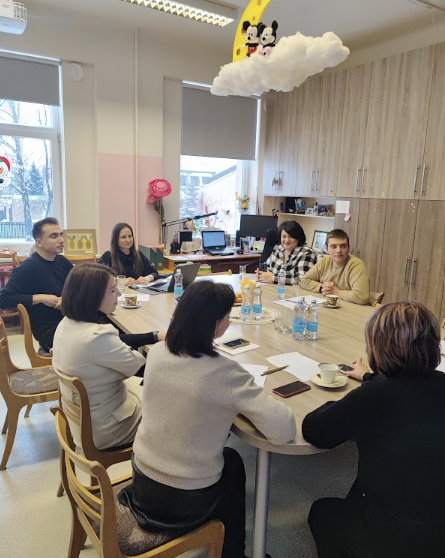
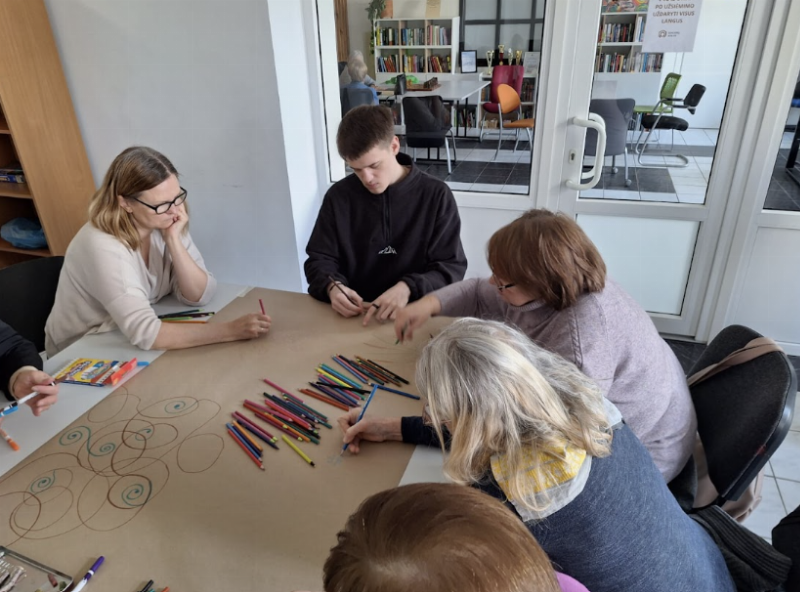
The project started with a kick-off meeting in Ventspils, Latvia on January 18, 2024, bringing together 8 participants, where partners discussed responsibilities, planned project activities, and defined the structure of best practices and video content. Participants also worked on developing an inclusive environment concept and setting deadlines for the creation of the project handbook. The programme also included a creative workshop session, where participants collaborated on designing visual materials, strengthening teamwork and promoting creative expression within the project.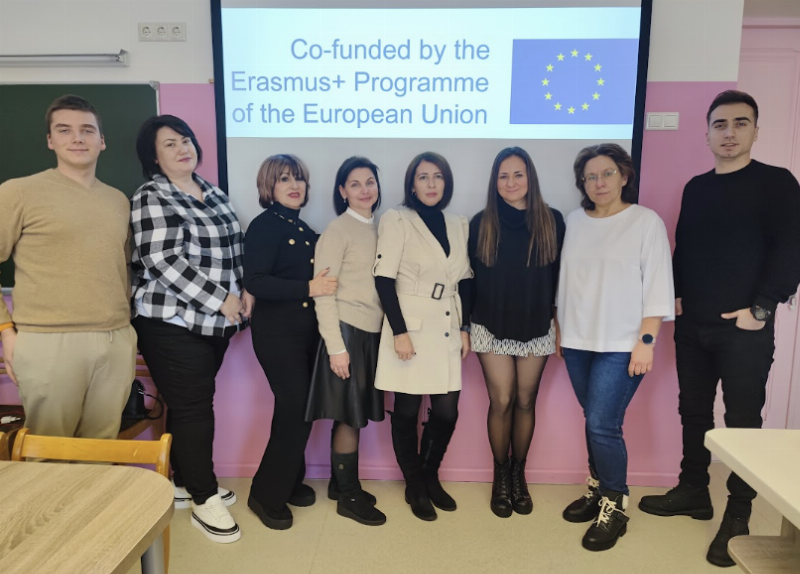
International Training in Estonia | June 2024
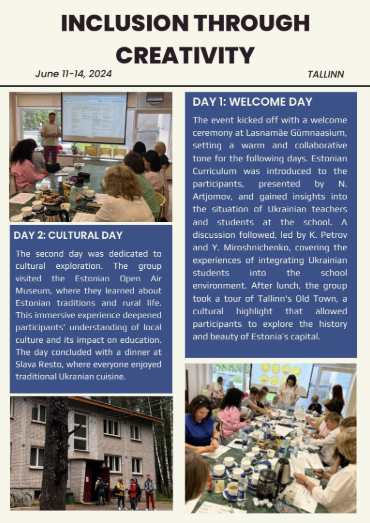
An international training activity took place in Tallinn, Estonia from June 11 to 14, 2024, bringing together 16 participants, where participants explored inclusive education practices and creative teaching methods. The programme included sessions on integrating refugee students into school environments, cultural exchange activities, and hands-on workshops such as creative learning through cooking and collaborative tasks. The training also focused on sharing best practices and strengthening intercultural understanding among participants.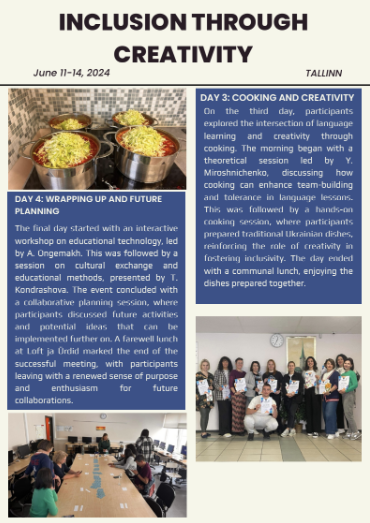
Intellectual Outputs | 2024–2025
The project developed a set of creative best practices in areas such as art, music, sport, video, and emotional support. These activities were designed to support the inclusion of war refugee children, strengthen social interaction, and improve emotional well-being. All practices were tested in partner countries and compiled into a handbook providing practical guidance for teachers and youth workers.
Online Midterm Meeting and Project Coordination | 2024–2025
Online meetings were organised regularly to monitor project progress, evaluate the results of training activities, and coordinate the development of outputs. Partners discussed challenges, shared feedback, and planned local trainings to ensure consistent implementation across all countries.
Local Trainings in Partner Countries | 2024–2025
Local trainings were implemented in each partner country, where participants applied the developed methods in real educational settings. Activities included creative workshops, group work, and practical sessions aimed at improving inclusion, creativity, and collaboration among students and educators.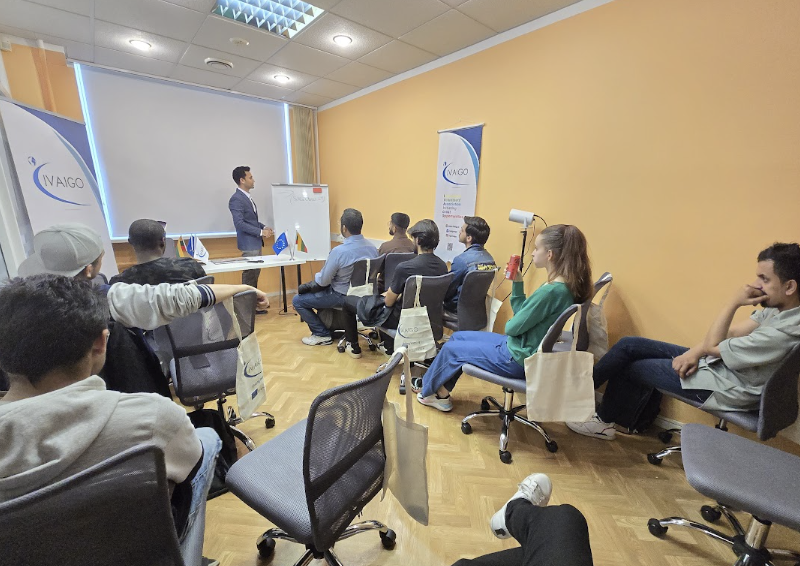
Final Meeting in Lithuania | February 2025
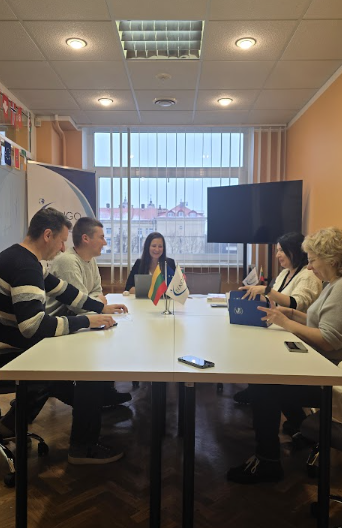
The project concluded with a final meeting in Lithuania on February 6, 2025, bringing together 6 participants, where partners evaluated project results, reviewed the developed outputs, and discussed dissemination strategies. The meeting provided an opportunity to reflect on the project’s impact and plan further use of the created materials.The meeting ensured the sustainability of project results and strengthened future cooperation between partners.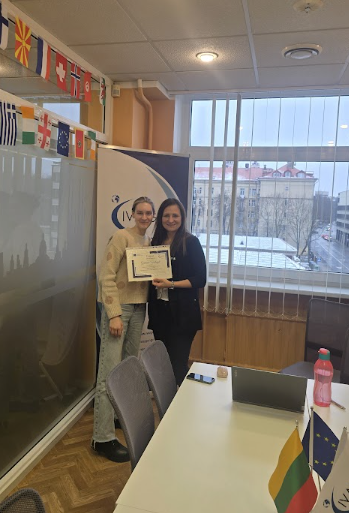
Dissemination and Peer-to-Peer Activities | 2024–2025
Dissemination and peer-to-peer activities were carried out throughout the project to share results with wider audiences. Partners organised events, workshops, and presentations, promoting inclusive education practices and encouraging the use of creative methods in schools and communities.
Results:
- 6 inclusive video series for teachers on the creation of inclusive environments in order to promote war refugee students’ social inclusion.
- - Latvian partner will prepare videos about inclusive environment using arts
- - Estonian partner will prepare videos about inclusive environment using music
- - Lithuanian partner will prepare videos about inclusive environment using sports
- A handbook of nine tested best practices of social inclusion using creative mediums for use by all external stakeholders. It will be prepared in Lithuanian, Latvian, Estonian, and English languages.
- An international training for youth workers/teachers in Estonia for 5 teachers/youth workers per partner organization. The international participants will also bring their expertise to this international training. This international training will also allow partner organizations to exchange their expertise and best practices.
- 3 local trainings in Lithuania, Latvia, and Estonia with 30 teachers/youth workers trained locally
- Through the multiplier, events reached at least 9 new organizations (at least 3 schools) that are not directly involved in the project but work with the target group – war refugee students.
This project is funded by the European Union through the Erasmus+ program, supporting education, training, youth, and sports initiatives across Europe.
Key details
Results from this project
Everything this project produced is free to download and reuse.
Browse the full resources library →
Project images
What's next
Upcoming mobilities and local workshops are announced through our open calls. Materials produced by the project are shared in our resources library.
Interested in this project?
Get in touch to learn about participation and partnership options.